AI Maker Summit
大模型技术与 AI Coding
Model is the engine · Context is the road
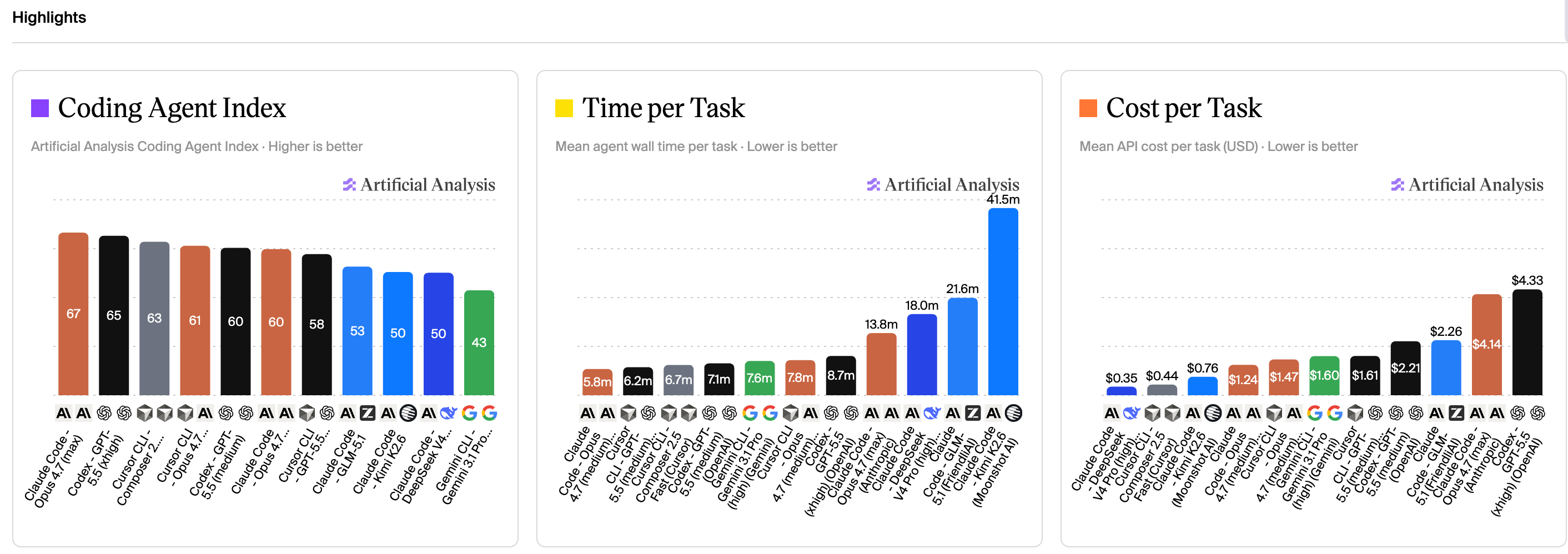
从早期网文观察,到 Composer 2.5 出来后的第三方 benchmark,大家开始测的不只是模型,而是完整 Coding Agent。
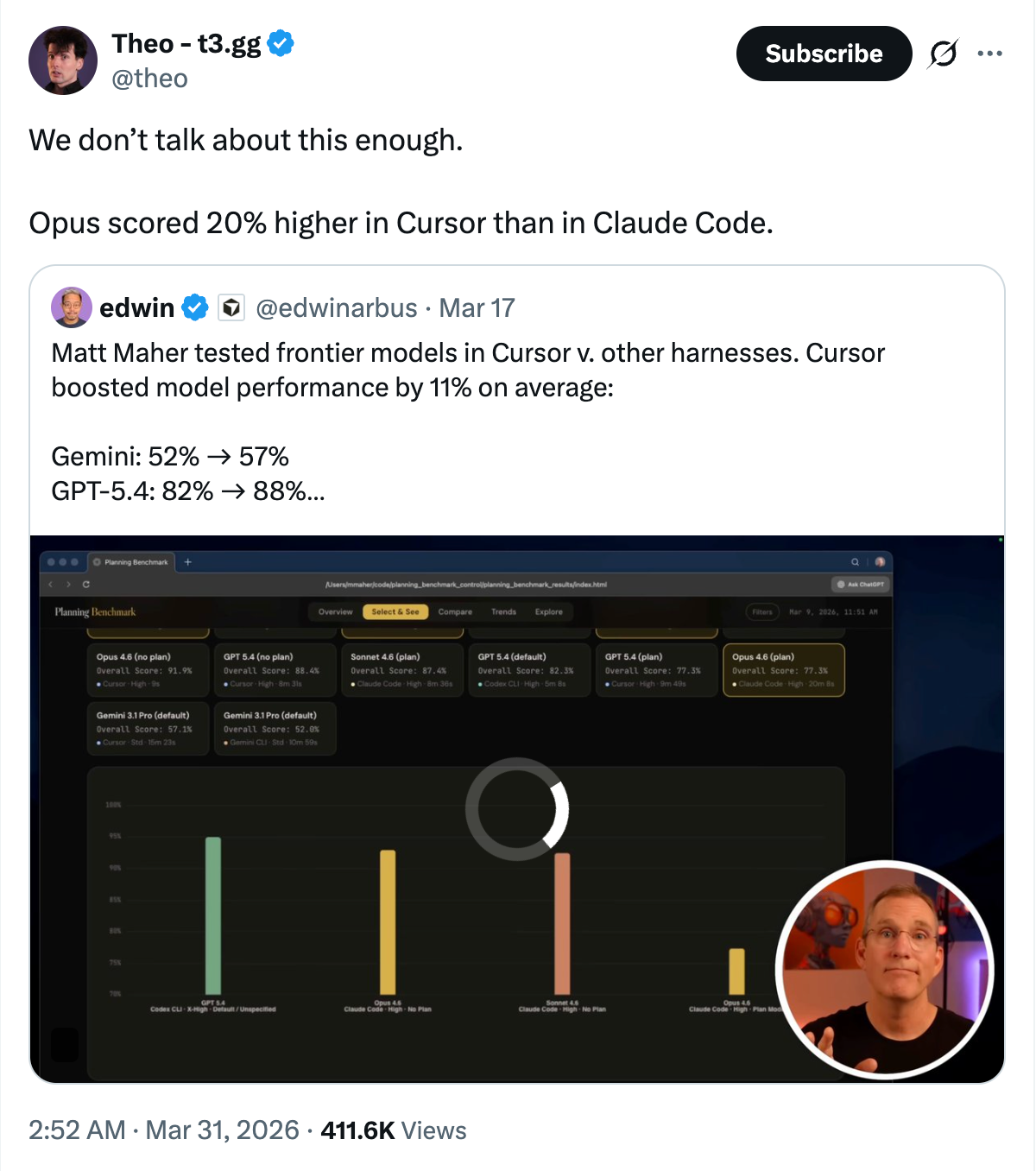

今天的重点不是“谁第一”,而是:模型之外的上下文、工具、成本、时间和反馈链路,正在一起决定结果。
决定 AI Coding 上限的,不只是模型——还有它如何看到问题、如何使用工具、如何被验证。
从 文化、Dogfooding 到上下文系统——看 Cursor 把这三层连成产品能力的方式。


如何描述问题、选择证据、如何验收——强产品团队把这些写进日常协作。
无拘无束、像在家一样、多元文化——No-shoes 说的是工作状态,不是 dress code。这种环境支撑敢试错,才撑得起 Dogfooding。

团队成员每天用 Cursor 完成真实工作。
上下文不够、流程太慢、Agent 不会找信息。
功能先进内部版本,被最挑剔的用户试用。
大家一起找 bug、挑界面细节、找边界。
真正有效的能力,才进入公开产品。
Context OS、Model + Harness(工作系统)、AI-first Workflow:从具体能力看 AI Coding 工具如何帮助工程师完成真实工作。
跟 xxx 一样,加个小功能。
把规则、摘要、文件片段、工具描述都提前放进窗口,希望模型自己筛选。
把长响应、历史、工具、终端、skills 变成可检索对象,由 agent 在工作中拉取。
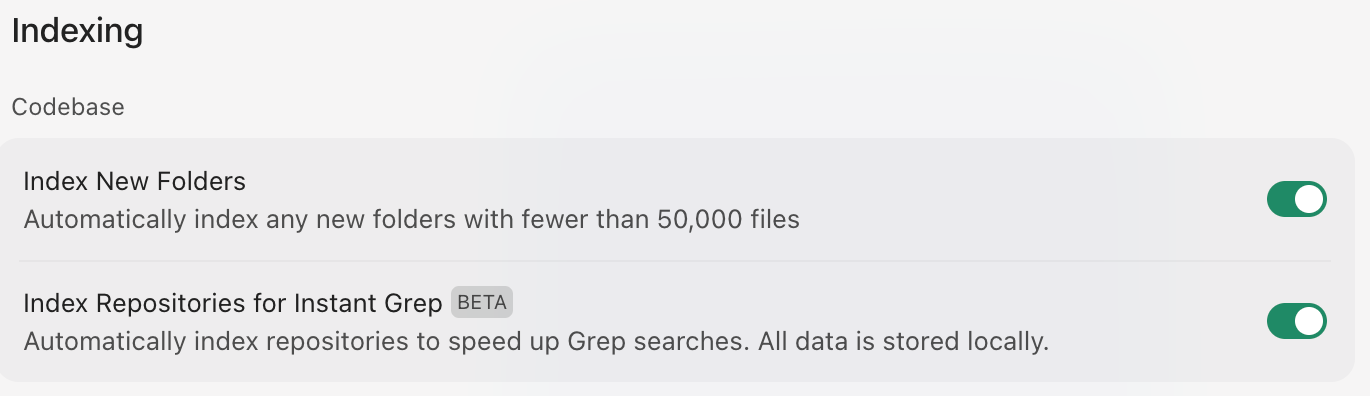
Codebase Indexing 的核心价值:Agent 能定位「这个项目里,和问题相关的代码在哪」——不必靠泛化经验瞎猜。大仓库还要快,靠的是只同步变化的部分。
索引的秘密很简单:只同步变化的部分——改过的文件、改过的代码块,不必全量重扫。Merkle Tree 是 Cursor 用来做到这一点的机制。
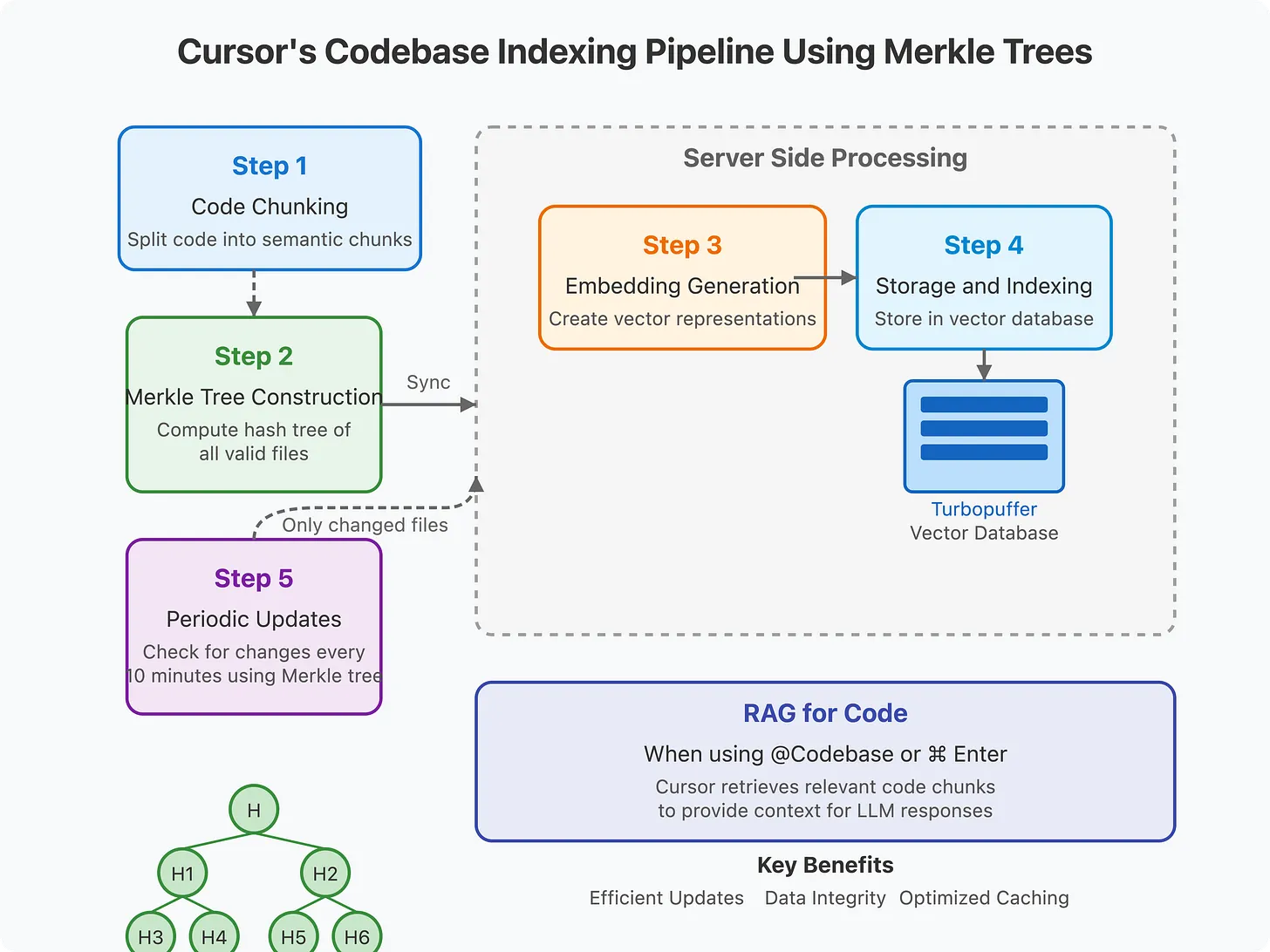

代码结构、相似实现和历史变更进入可检索环境,模型才不必靠泛化经验猜测项目意图。
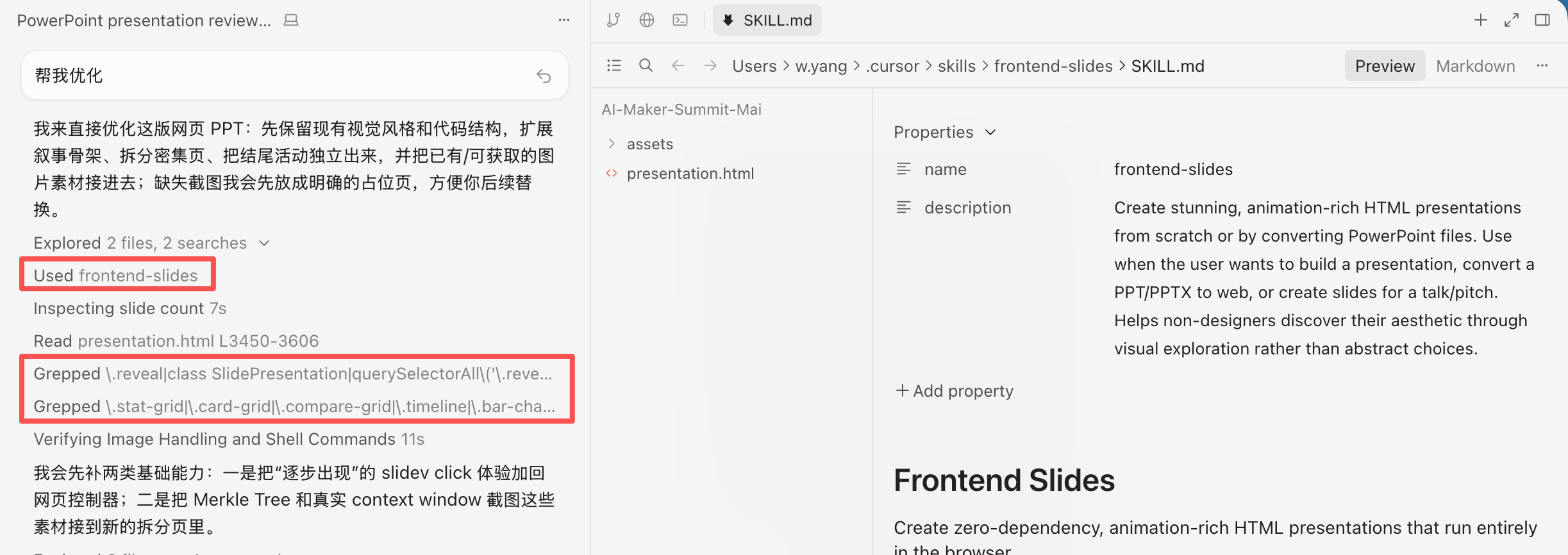
不是一上来就改文件——而是在任务推进中,用搜索、读文件、对照文档,验证理解后再改。
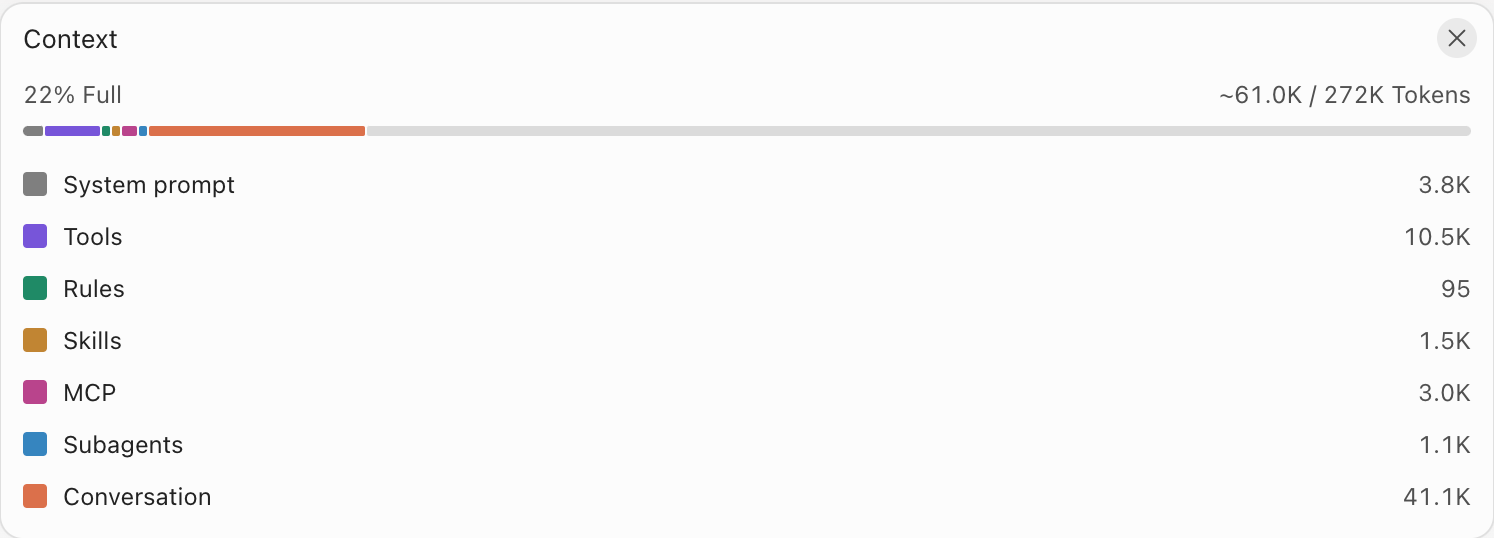
22% Full,约 61K / 272K tokens。Conversation 占 41.1K,Tools 占 10.5K。上下文窗口不是无限仓库,而是需要被管理的工作预算。
中位仓库:团队索引复用后,新人打开项目不必从零等待。
语义搜索平均提升问答准确率。
按需发现工具描述,相关运行中减少 token 占用。
前面讲清了 Cursor 如何组织上下文——这一幕回到 你在日常工作中如何运用这些原则。
不是命令每一步,而是定义完成标准、范围、限制和不做什么。
semantic search、grep、history、skills、terminal、MCP 都是上下文入口。
代码修改、工具调用、测试运行和日志观察形成可追踪轨迹。
失败测试、diff、PR 评论和用户反馈,都会变成下一轮上下文。
上一页的好写法,放进 Request → Search → Act → Verify。
Rules 和 Skills 不是额外负担——是「静态上下文要少而稳」的落地方式。
上下文是路。在 AI 时代,它承接了原来只有「代码库」才承载的工程认知——结构、约束、历史与验收,都变成 Agent 可读、可按需发现的环境。
如果你也在探索 AI Coding、Agent 工作流和上下文治理,欢迎继续面对面交流。
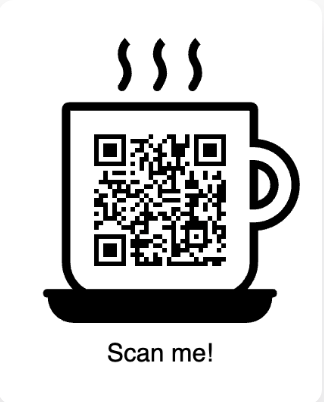
如果今天分享让你产生共鸣,欢迎 6/26 来深圳 Cafe Cursor,面对面继续聊 AI Coding、Agent 工作流和 Builder 的新能力。
luma.com/cursorcommunity

AI Maker Summit
LLMs & AI Coding
Model is the engine · Context is the road
From early blog takes to post–Composer 2.5 benchmarks—people measure the full Coding Agent, not the model alone.


Today's point isn't "who's #1"—context, tools, cost, time, and feedback loops together shape the result.
What caps AI Coding isn't only the model—it's how the system sees the problem, uses tools, and gets verified.
From culture and dogfooding to the context system—how Cursor wires three layers into product capability.


How you frame problems, pick evidence, and define done—strong product teams bake this into daily collaboration.
Feeling at home, multicultural openness, working without artificial constraints—not playfulness as policy. That environment enables experimentation—and dogfooding.

Everyone ships real work with Cursor.
Missing context, slow flows, agents that can't find information.
Features hit internal builds and the most demanding users first.
Bugs, UI edges, and boundary cases get hammered together.
Only durable capabilities reach the public product.
Context OS, model + harness, AI-first workflow—concrete capabilities for real engineering work.
Like xxx, add a small feature.
Rules, summaries, file chunks, and tool descriptions stuffed into the window up front—hope the model filters well.
Long responses, history, tools, terminal, and skills become retrievable objects the agent pulls during work.
Core value—locate "where in this project does code related to my question live" without guessing from general priors. Large repos stay fast by syncing only what changed.
The trick is incremental sync—changed files and chunks only. Merkle trees are how Cursor does it.


Structure, similar implementations, and history enter a searchable environment—the model doesn't have to guess intent.
Not "open files and hope"—search, read, check docs, then change with verified understanding.

22% full, ~61K / 272K tokens. Conversation 41.1K, Tools 10.5K. The window isn't infinite storage—it's a budget to manage.

Median repo—team index reuse; new contributors don't wait from zero.
Average lift in answer accuracy.
On-demand tool descriptions cut token use in relevant runs.
We've seen how Cursor organizes context—this act is how you apply those principles at work.
Not every micro-step—completion criteria, scope, limits, and explicit non-goals.
Semantic search, grep, history, skills, terminal, MCP—all entry points.
Edits, tool calls, tests, and logs form a traceable trail.
Failed tests, diffs, PR comments, and user feedback become next-turn context.
The "better" prompt from the last slide, through Request → Search → Act → Verify.
Rules and skills aren't overhead—they're how "static context stays small and stable."
Context is the road. In the AI era it carries what only a codebase used to—structure, constraints, history, and acceptance—all in an environment agents can read and discover on demand.
If you're exploring AI coding, agent workflows, and context governance—let's continue face to face.
If today's talk resonated, join us June 26 in Shenzhen for AI coding, agent workflows, and the builder skill set—in person.
luma.com/cursorcommunity